
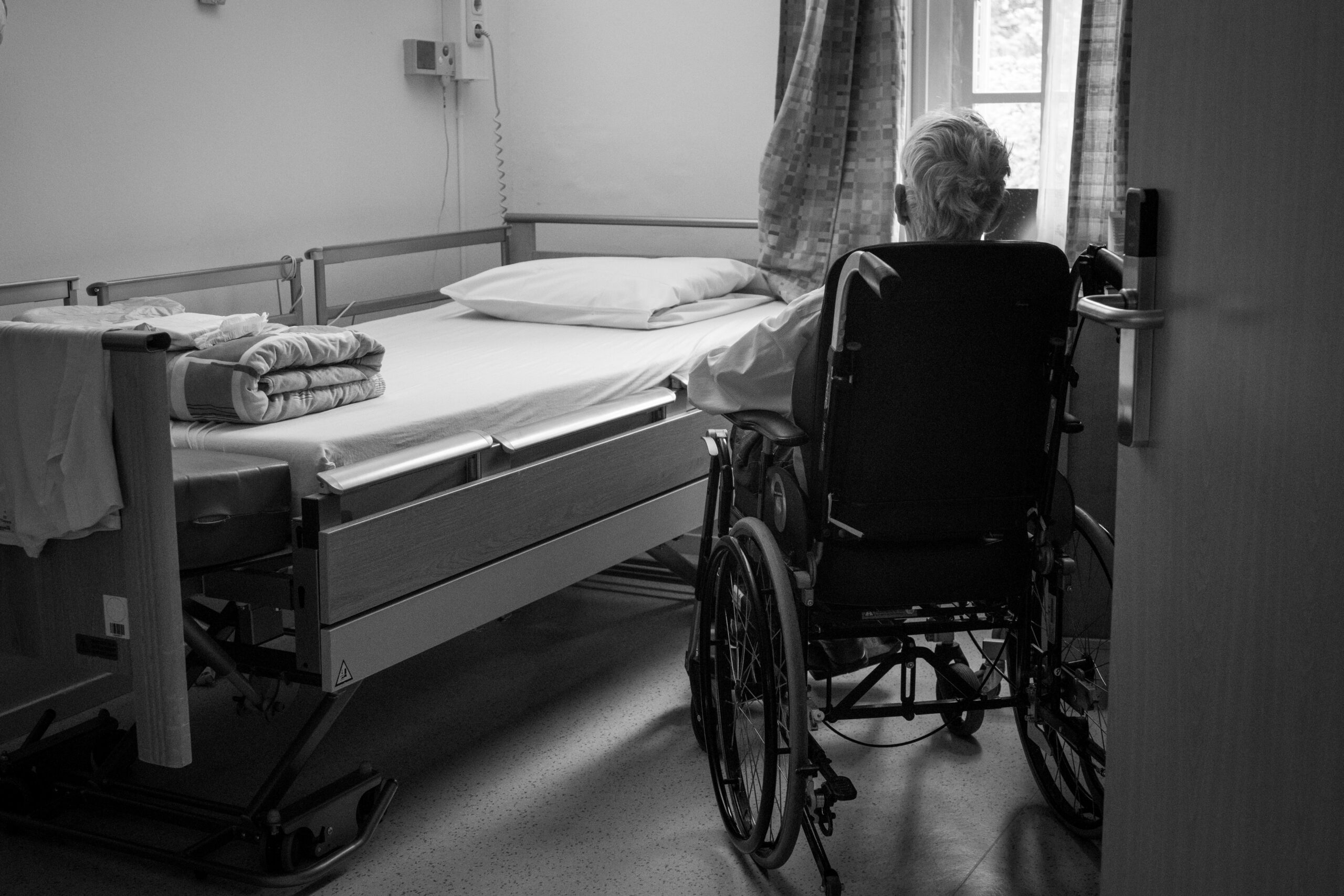
When Should Palliative Care Begin?
Many families associate palliative care with the final days of life. As a result, conversations about it are often delayed until someone is very unwell or a family is already facing a crisis.
In reality, palliative care can begin much earlier. It may be introduced from the point at which someone is diagnosed with a serious, progressive or life-limiting condition. It can continue for months or even years, including while the person is still receiving treatment for their illness.
The right time to begin palliative care is not determined by a precise life expectancy. It should begin when someone needs additional help managing symptoms, maintaining their quality of life, planning their future care or supporting the people close to them.
What Is Palliative Care?
Palliative care is a form of personalised support for people living with a serious or life-limiting illness. Its purpose is to help the person live as comfortably and fully as possible. It can address:- Pain and other physical symptoms
- Emotional wellbeing
- Anxiety, fear or low mood
- Practical care needs
- Social relationships and family concerns
- Cultural or spiritual wishes
- Planning for future treatment and care
- Support for relatives and carers
When Should Palliative Care Begin?
Palliative care should begin when the person would benefit from it. This may be soon after diagnosis, when symptoms first become difficult to manage or when an illness begins to have a greater effect on daily life. There is no requirement to wait until treatment has stopped or someone is thought to be in their final weeks. Marie Curie explains that palliative care is broader than end-of-life care and that some people receive it for years. The NHS also notes that hospice palliative care can help manage symptoms such as pain and breathlessness early in an illness. Beginning support earlier can give the person, their family and healthcare professionals more time to understand what matters, respond to changing needs and put appropriate care arrangements in place.Does Palliative Care Mean Someone Is Dying?
Not necessarily. This is one of the most common and understandable fears surrounding palliative care. A referral does not automatically mean that doctors believe someone has only days or weeks to live. Palliative care can be appropriate for people living with conditions such as:- Cancer
- Advanced heart failure
- Chronic obstructive pulmonary disease
- Motor neurone disease
- Parkinson’s disease
- Multiple sclerosis
- Kidney failure
- Advanced dementia
- General frailty alongside several health conditions
Palliative Care and End-of-Life Care: What Is the Difference?
Palliative care and end-of-life care are closely connected, but they are not identical. Palliative care can begin at any stage of a serious illness and may continue alongside active treatment. Its focus is improving quality of life, relieving symptoms and helping the person and their family cope with the effects of the condition. End-of-life care is support provided as someone approaches the final stage of life. In England, people may be considered to be approaching the end of life when they are likely to die within the next 12 months, although predicting this accurately is not always possible. End-of-life care may last for days, months or sometimes longer than a year. In simple terms, end-of-life care forms part of the wider palliative care journey.Signs It May Be Time to Discuss Palliative Care
There is no single test that tells a family when palliative care should start. However, certain changes may suggest that a conversation would be helpful.Symptoms Are Becoming Harder to Manage
Pain, breathlessness, nausea, tiredness, poor appetite, difficulty sleeping or other symptoms may begin to interfere with daily life. A palliative care team can assess these symptoms and work alongside the person’s existing doctors and nurses to improve their comfort. The aim is not simply to prescribe more medication. Support may also involve changes to existing medicines, specialist equipment, therapy, positioning, relaxation techniques or adjustments to the person’s environment.Hospital Admissions Are Becoming More Frequent
Repeated admissions may indicate that a condition is becoming more difficult to manage. Palliative care can help create a more coordinated plan for responding to symptoms and future changes. This may reduce uncertainty and help everyone understand when hospital treatment is appropriate and when the person may prefer to remain at home or in their care setting.Treatment Is Becoming More Burdensome
Some treatments can have difficult side effects or require frequent hospital visits. The person may begin questioning whether the benefits still outweigh the impact on their wellbeing. Palliative care professionals can help the person understand their choices and communicate what matters most to them. They do not make the decision on the person’s behalf or automatically recommend stopping treatment.Everyday Life Is Becoming More Difficult
The person may need increasing help with:- Washing and dressing
- Eating and drinking
- Taking medication
- Moving safely
- Sleeping comfortably
- Communicating their needs
- Managing anxiety or confusion
The Person or Family Is Struggling Emotionally
Living with a serious illness affects more than physical health. The person may experience fear, frustration, grief, anger or uncertainty. Relatives can also find themselves trying to manage caring responsibilities, medical information, work, finances and their own emotions all at once. Even octopuses would consider that excessive. Palliative care can include emotional support for both the individual and the people close to them. If part of that emotional strain involves deciding whether a parent needs professional care, our guide to dealing with guilt when choosing care for a seriously ill parent explores those feelings and the continuing role of family.The Person Wants to Plan Ahead
Someone does not need to be extremely unwell before discussing their wishes. Earlier conversations can give the person an opportunity to express:- Where they would prefer to receive care
- Who they want involved in decisions
- What treatments they would or would not want
- What helps them feel comfortable and secure
- Any religious, cultural or spiritual preferences
- Who should speak for them if they lose the ability to communicate
- What matters most to them in their everyday life
Why Starting Palliative Care Early Can Help
Starting palliative care early does not make an illness progress more quickly. Nor does it mean that the person or their healthcare team has given up. Instead, earlier support can provide several important benefits.Better Symptom Management
Symptoms can be addressed before they become severe or lead to an emergency. Care can then be reviewed as the person’s needs change.More Time to Build Relationships
Palliative care works best when professionals understand the individual, their preferences and their family circumstances. Starting earlier gives the person time to build trust with the people supporting them rather than meeting everyone for the first time during a crisis.Clearer Care Planning
Plans can be made calmly and reviewed gradually. This is usually preferable to making major decisions during an unexpected hospital admission or sudden deterioration.Greater Choice and Control
Early conversations allow the person to remain involved in decisions about their care for as long as possible. Their preferences may change over time, and that is completely acceptable. A care plan should be treated as a living document rather than something carved into stone.Better Support for Families
Relatives can receive information about the condition, likely changes and available services. This can reduce uncertainty and help them prepare practically and emotionally.Can Palliative Care Run Alongside Treatment?
Yes. A person can receive palliative care while continuing treatment intended to slow, control or manage their illness. For example, someone with cancer may receive palliative support for pain, sickness or anxiety while continuing chemotherapy. Someone with heart failure may receive help managing breathlessness and fatigue while continuing cardiac medication. The balance between treatment and comfort may change over time. Decisions should be based on the person’s condition, wishes and clinical advice rather than an assumption that palliative care means all treatment must stop. For a broader explanation of how support may develop, read our guide to the five stages of palliative care. These provide a way to discuss different aspects of support, rather than a fixed timetable that everyone follows.Where Can Palliative Care Be Provided?
Palliative care can be delivered in several settings, including:- The person’s own home
- A care home
- A nursing home
- A hospital
- A hospice
- An outpatient or day-care service
Who Can Arrange Palliative Care?
The first conversation may be with:- A GP
- A hospital consultant
- A specialist nurse
- A district nurse
- A social worker
- A care home manager
- Another healthcare professional involved in the person’s care
- Would palliative care be appropriate now?
- Who can help manage these symptoms?
- Can support be provided at home or in a care home?
- What happens if the person’s condition changes suddenly?
- Who should we contact outside normal working hours?
- Can we begin an advance care plan?
- What emotional support is available for the family?
- How will different professionals communicate with one another?