
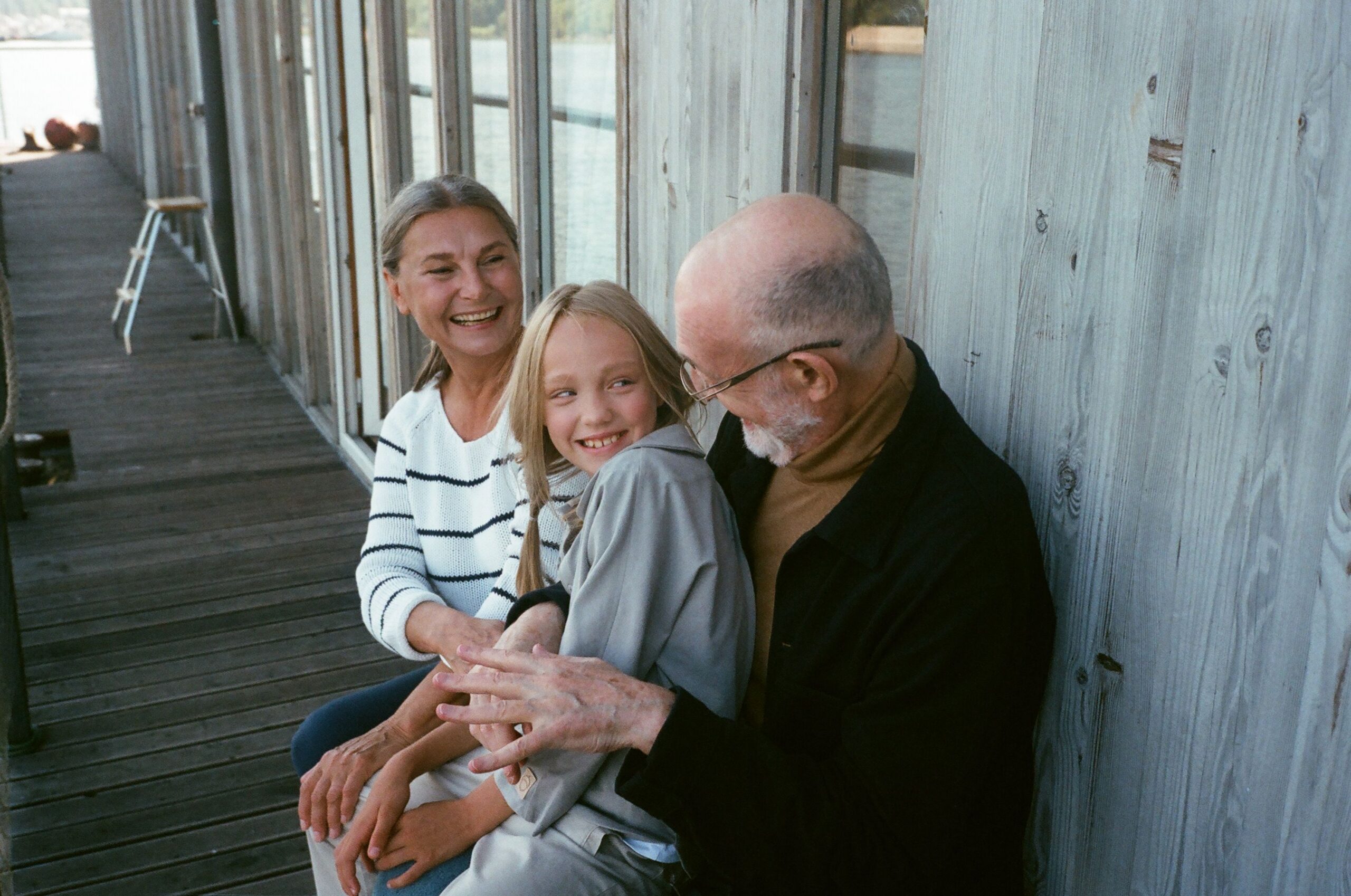
Helping Grandchildren Understand Palliative Care
When a grandparent becomes seriously ill or begins receiving palliative care, families often face a difficult question: how much should we tell the grandchildren?
It is natural to want to protect children from frightening or upsetting information. But children are often very aware when something within the family has changed. They may notice that a grandparent looks different, has less energy, is spending more time in bed, has moved into a care home, or that the adults around them seem worried.
Avoiding the subject completely can sometimes leave children trying to make sense of these changes themselves. Organisations including Marie Curie and Child Bereavement UK recommend giving children honest, age-appropriate information and allowing them opportunities to ask questions.
The aim is not to tell a child everything at once. It is to help them understand what is happening in a way that feels safe, honest and appropriate for their age.
What Is Palliative Care?
Palliative care supports people living with serious or life-limiting illnesses. Rather than focusing only on treating the underlying illness, it aims to improve comfort and quality of life by managing symptoms such as pain and providing emotional, psychological, social and spiritual support. Importantly, palliative care does not necessarily mean that someone is expected to die immediately. It can be provided alongside other treatments and may begin well before the final stages of someone’s life. Families looking for a fuller explanation can also read our guide, What Is Palliative Care? A Guide for Families. At Merling, supporting families is an important part of palliative care. When grandchildren are involved, this can include helping families make visits comfortable and allowing children to continue spending meaningful time with their grandparent.Should You Tell Children About Palliative Care?
In most circumstances, hiding a serious illness completely is unlikely to make things easier for a child. Children notice changes. They hear fragments of conversations, see adults becoming upset and recognise when familiar routines suddenly change. Without an explanation, their imagination may provide one instead, and that explanation can sometimes be more frightening than the truth. Marie Curie reports that children and young people who have experienced someone close to them having a terminal illness have said that open and honest communication helped them during the experience. Child Bereavement UK similarly recommends giving children honest, age-appropriate information about what is likely to happen rather than offering false reassurance that may later undermine their trust. That does not mean a five-year-old requires the same explanation as a fifteen-year-old. What you say should depend on the child’s age, understanding, relationship with their grandparent and what is actually known about the grandparent’s condition.Keep the Explanation Simple
Children do not usually need a medical lecture. A younger child might simply need to understand: “Grandad is very poorly. The doctors and carers are helping him feel as comfortable as possible.” An older child may be ready for more detail about the illness, treatment and what palliative care means. If the grandparent is approaching the end of their life, clearer language may eventually be necessary. Marie Curie and Child Bereavement UK advise using straightforward language when discussing death and avoiding expressions that children could interpret literally, such as saying someone is simply “going to sleep”. There is no need to explain everything in one conversation either. Children often process difficult information gradually. Give them enough information to understand what is happening and allow further questions to develop naturally.Be Honest When You Do Not Know the Answer
Children can ask surprisingly direct questions. “Will Grandma get better?” “Is Grandad going to die?” “How long does she have?” “Will it happen to you?” Adults understandably want to provide reassurance, but sometimes the most truthful answer is simply that you do not know. You might explain that the doctors and carers are doing everything they can to keep their grandparent comfortable, but nobody knows exactly what will happen or when. If a grandparent is known to be approaching the end of their life, being honest about this is difficult but important. Child Bereavement UK advises against creating false hope when a child asks directly whether someone is going to die. Being honest does not mean removing hope. Hope may simply change. Instead of hoping that an illness disappears, the family might hope for comfortable days, enjoyable visits, another birthday together or simply more opportunities to say the things that matter.Let Children Ask Questions
Children may not immediately respond to difficult news. One child might ask ten questions. Another might say very little and then ask something completely unrelated five minutes later. Both responses can be normal. Make it clear that questions are always welcome, including questions that come days or weeks later. Children may find conversations easier while doing something else rather than sitting down for a formal family discussion. Marie Curie suggests that activities such as playing, colouring, cooking or watching television can sometimes make it easier for children to talk because the conversation feels less intense. You can also occasionally reopen the conversation yourself. A child may have questions but worry that mentioning their grandparent will upset the adults around them.Explain What They Might See During a Visit
If a grandparent’s appearance or behaviour has changed significantly, prepare children before they visit. Depending on the person’s condition, a child might notice that their grandparent:- Looks thinner or more tired
- Sleeps more than before
- Has difficulty speaking
- Uses oxygen or medical equipment
- Needs help eating, drinking or moving
- Is less responsive than they remember
- Is living in a different environment
Give Grandchildren a Choice About Visiting
Where appropriate, children should have some involvement in deciding how they spend time with a seriously ill grandparent. Some children may desperately want to visit. Others may feel frightened or uncomfortable. Their feelings can also change from one week to another. Preparing them properly can help, but children should not feel that they must behave in a particular way or have the “perfect” final conversation. A visit can be very ordinary. They might:- Watch television together
- Read their grandparent a story
- Show them photographs
- Draw them a picture
- Listen to music
- Talk about school
- Hold their hand
- Bring something they have made
- Simply sit together
Help Them Create Memories
Palliative care can also provide families with an opportunity to intentionally create and preserve memories. Depending on the grandparent’s health and wishes, families might create:- A photograph album
- Recorded stories about their life
- Letters for grandchildren to read in the future
- A family recipe book
- Voice recordings
- A memory box
- Handprints or artwork
- A collection of favourite photographs
- A video message